Robbing Lumber Pricing of Its Mistique
 Here at J. Gibson McIlvain Lumber, we’re not really into perpetuating the mystery surrounding lumber pricing: We truly desire to educate our customers so they can feel empowered by their knowledge and make cost-savvy decisions. We don’t expect a blind trust, but we hope we can earn your trust by helping you increase your understanding of the lumber industry and the many factors that go into lumber pricing.
Our aim is not simply to make as much money as we can, but to continue our legacy of providing quality lumber and lumber products for customers like you.
As we began discussing in Part 1, understanding lumber pricing can help you do more than save money and stop wondering about why the prices are what they are: It can also inform your decisions on when to shop for lumber, in order to get the quality, pricing, and selection you desire.
 Getting Ahead by Buying in Bulk
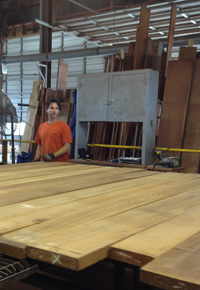
You can greatly impact your bottom line by taking advantage of bulk discounts. Within the lumber industry, the reason buying more means saving more is similar to other industries, but it also has its own set of variables.
For one thing, our overhead expenses are lessened when we don’t have to take the time and manpower to move and open several packs in order to assemble a single order.
For another thing, shipping several orders at once is more economical. Purchasing lumber for several projects at once will also likely mean buying earlier in the season, when our inventory is less picked over, providing us with a much higher likelihood of providing exactly what you need. This is especially true for tropical decking species, such as Ipe, that have limited growing seasons.
Enjoying the Benefits of Planning Ahead
 As the season progresses, an additional variable that comes into play is that sometimes the prices we have to pay lumber mills fail to reflect quality and size. Sometimes, Certified status, shipping container, or other details dictate a higher price. Of course, given two apparently identical boards or packs, the customers that come earlier in the season readily choose the less expensive. Later buyers end up paying more for the higher priced lumber, simply because it’s all that’s left.
So why doesn’t every builder buy early in the season and for several projects at once? If you’re a builder, you know the answer: Sometimes, it’s impossible to tie up enough capital to do so. However, if you can somehow manage it, you’ll come out on top in the long run and be in a better place to buy more up front next year. In time, you’ll be able to greatly increase your profit margins without sacrificing quality or increasing the costs you pass on to your customers.
The sometimes unpredictable nature of the lumber industry and its complex web of pricing influences is simply part of a naturally occurring resource. As a sustainable, truly green product, we believe that lumber is worth the headaches, and it adds much beauty to our world.